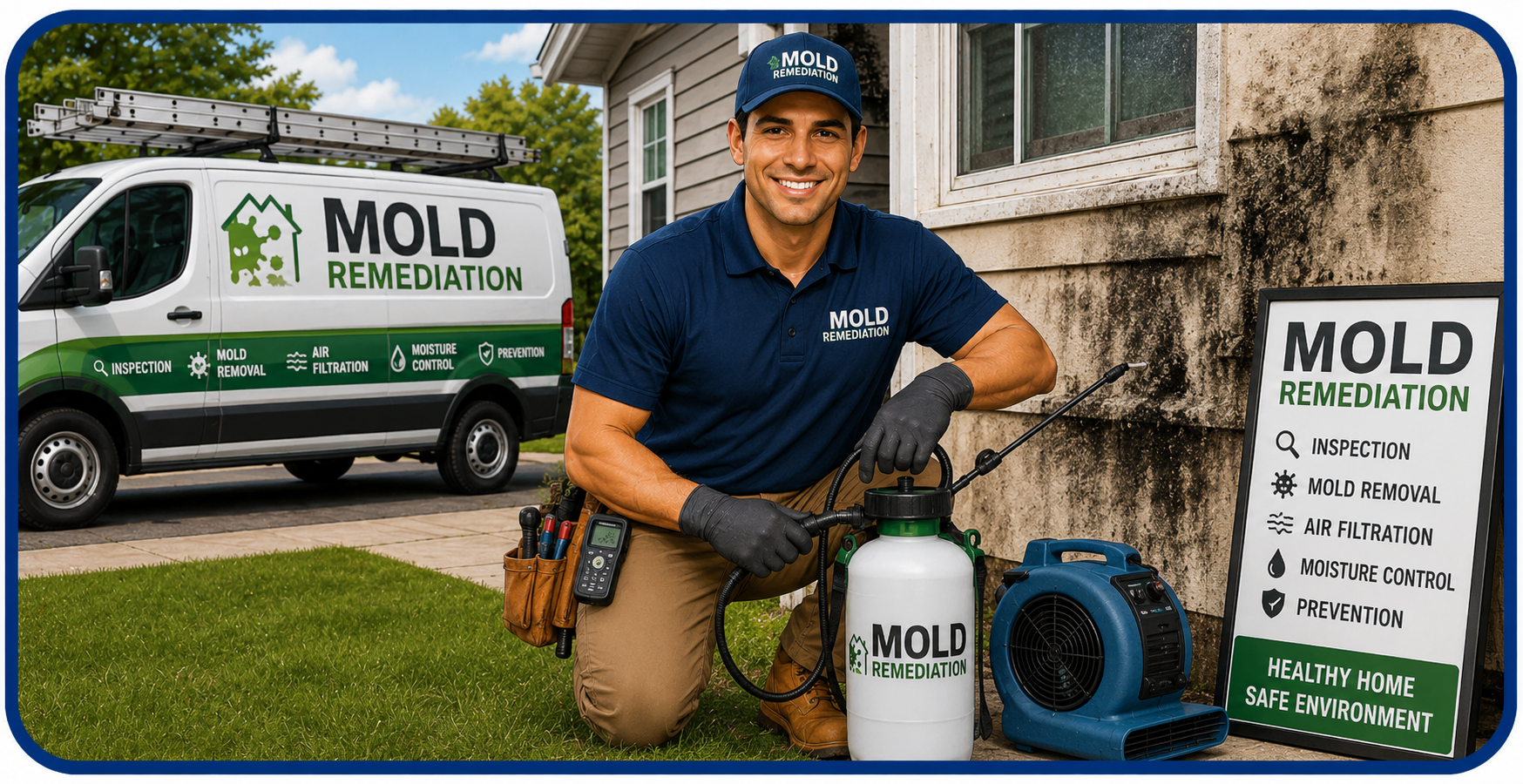
24/7 Emergency Response
Mold Testing in District of Columbia, DC
Mold doesn't wait for business hours, and neither does the WQB Mold Removal crew covering District of Columbia, DC.
📞 Call +1-844-833-1325 Now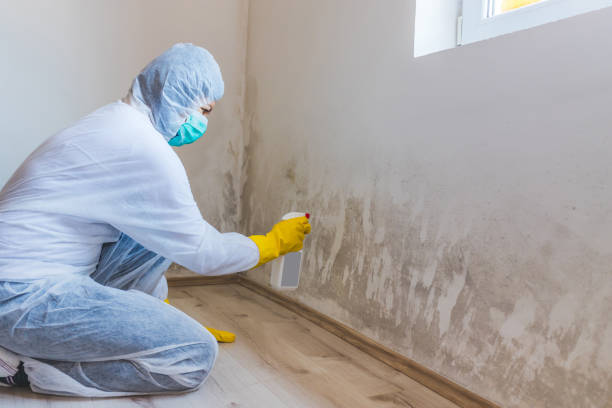
Mold doesn't wait for business hours, and neither does the WQB Mold Removal crew covering District of Columbia, DC.
📞 Call +1-844-833-1325 NowWQB Mold Removal started the way most good local contracting outfits do: with a small crew that got tired of watching homeowners in District of Columbia, DC get quoted twice for the same job by companies that vanished halfway through.
We staff our District of Columbia, DC crews with people who've handled crawl-space colonization, attic condensation mold, and post-flood contamination — not just cosmetic bathroom mildew.
Licensed, insured, and background-checked before they ever knock on your door, our team treats your home like it's the one they'd want worked on.
Ask any District of Columbia, DC property manager who's dealt with a bad remediation job and they'll tell you the same thing: the difference isn't the chemicals, it's whether the crew actually found and fixed the moisture source instead of just spraying the visible mold and leaving.
Our office staff handle scheduling and billing questions directly, so you're never stuck on hold with an answering service when you have a question about your job.
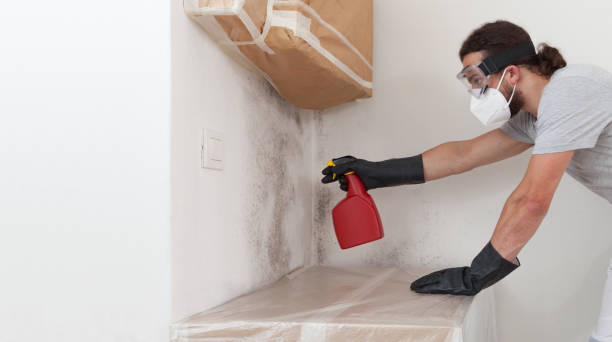
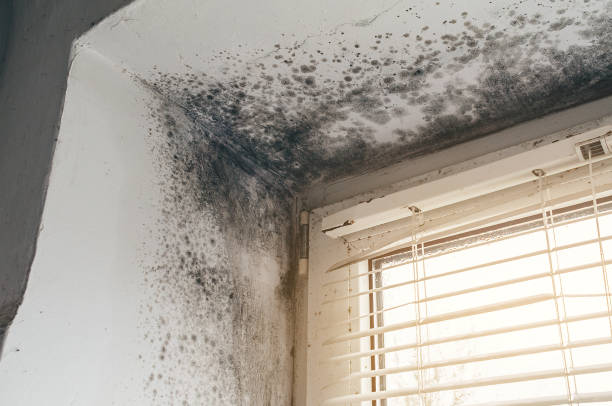
Some of the worst colonization in District of Columbia, DC homes happens somewhere you'd never think to check.
A stale, damp smell that lingers even after cleaning usually means active growth somewhere behind drywall or under flooring. Candles and air fresheners might mask it for an afternoon, but the smell almost always returns by the next day.
Any District of Columbia, DC property with a prior roof leak, burst pipe, or flooding event is at higher risk if the drying wasn't done professionally. We can check behind an old repair with a moisture meter in under an hour to put your mind at ease either way.
If symptoms clear up on vacation and come back the moment you're home in District of Columbia, DC, your indoor air quality deserves a look. A pattern of symptoms tied to one specific room in the house is often the strongest clue of all.
Discoloration around an HVAC vent frequently means moisture is condensing inside the ductwork itself. Don't assume a small visible patch means a small problem — the portion behind the drywall is often much larger.
Every job starts with an inspection, not a guess, so the scope of work matches what's really growing behind your walls.
When a burst pipe or roof failure floods a District of Columbia, DC property overnight, our on-call crew can be dispatched before the sun comes up. We also photograph the damage extensively on arrival, which helps considerably if you end up filing an insurance claim afterward.
Bathrooms, basements, attics, and crawl spaces each get treated with methods suited to that specific environment, not a one-size approach. Affected drywall, insulation, and carpet padding are bagged and removed according to protocol rather than just tossed loose in a truck bed.
Retail spaces, offices, and multi-unit buildings in District of Columbia, DC often need remediation scheduled around business hours to limit disruption. Multi-tenant properties in District of Columbia, DC sometimes need coordinated notice to residents or staff, and our project leads handle that communication directly.
Lab results typically come back within a few business days, giving you documented proof of what was found. A written inspection report is available for real estate transactions, refinancing, or your own peace of mind about a District of Columbia, DC property.
These tight spaces require specialized equipment and technicians trained to work safely in confined areas. We often find the crawl space is the real source of a musty smell upstairs, even in District of Columbia, DC homes where the visible living space looks perfectly clean.
For District of Columbia, DC properties with chronic humidity issues, we design a long-term moisture control plan, not just a one-time fix. Some District of Columbia, DC clients set up an annual moisture check with us, especially in older homes with a history of basement dampness.
We keep the process simple enough to explain over the phone in under two minutes.
Tell our dispatcher what you're seeing and smelling, and we'll get a technician on the calendar, often same-day no matter which District of Columbia, DC community you're in. Have a rough sense of when the problem started if you can — it helps us plan the visit.
This step tells us the true scope of contamination before we write a single number on a quote. You'll get a plain-language explanation of what we found before any decisions get made.
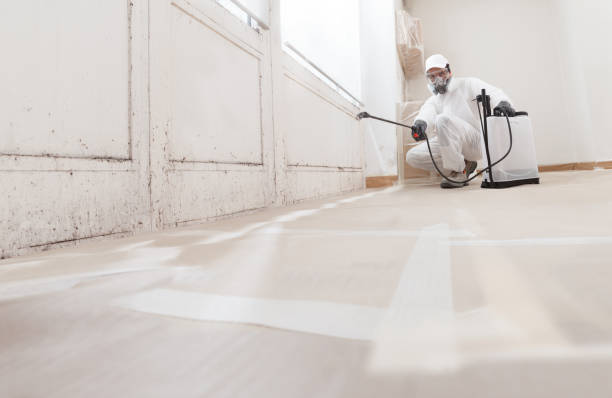
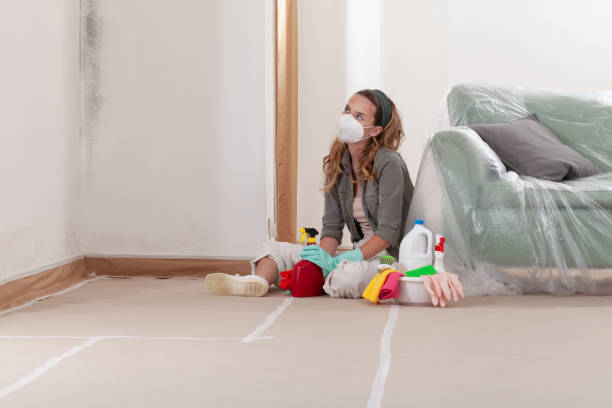
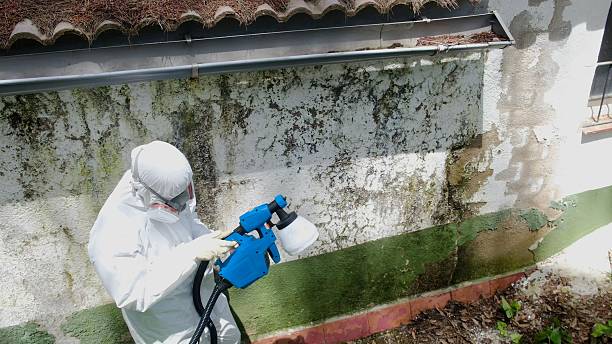
Containment barriers go up first, then affected materials are removed, treated, and HEPA-vacuumed according to industry protocol. We keep the work area as clean and orderly as the job allows throughout.
You'll get a written report you can keep for your records or share with an insurer. We'll also walk the space with you so nothing gets signed off without your input.
Our estimates are itemized line by line, which means you know exactly what you're paying for and why.
We keep a dedicated crew covering District of Columbia, DC so response times don't balloon during peak humidity season.
Every job includes documented before-and-after testing, not just a verbal assurance that "it's handled."
Our promise is simple: if the treated area shows regrowth tied to our workmanship within the warranty period, we return and correct it free of charge.
We also try to be upfront about what we can't fix on day one — if a District of Columbia, DC home has an underlying roof or plumbing issue causing repeat moisture intrusion, we'll say so plainly instead of quietly re-treating the same spot every year.
Local reputation matters more to a small District of Columbia, DC-area crew than a national franchise ever has to worry about, and that keeps us honest about scope, pricing, and timelines.
If regrowth tied to our workmanship shows up within the warranty window, we come back to your District of Columbia, DC property and fix it at no additional cost.
Call +1-844-833-1325A few recent stories from District of Columbia, DC and surrounding neighborhoods.
"They explained everything in plain English before touching anything, which I really appreciated after a stressful week." — Denise R., District of Columbia, DC customer
"Called at 9pm after a pipe burst and someone was here by 7am the next morning with the containment already set up." — Marcus T., District of Columbia, DC customer
"The lab report they gave us after the job made it easy to close out our insurance claim without any back and forth." — Priya S., District of Columbia, DC customer
"Six months later, zero regrowth. Worth every dollar." — Walter H., District of Columbia, DC customer
"They caught an issue in our attic ventilation that was causing the problem in the first place, not just a symptom of it." — Angela F., District of Columbia, DC customer
"Honestly relieved someone finally gave us a straight answer about what was in our walls." — Ray O., District of Columbia, DC customer
WQB Mold Removal dispatches technicians to communities across District of Columbia, DC, from major metro areas to smaller towns. Our crews know the neighborhoods, HOA requirements, and typical building styles that vary from one part of District of Columbia, DC to another rather than treating every address the same.
Answers to what District of Columbia, DC homeowners ask us most.
Most calls from across District of Columbia, DC get a technician on-site the same day, and active emergencies are prioritized ahead of routine inspections. If you're dealing with active water intrusion, mention that when you call so we can flag the job as urgent.
We quote the full scope up front after inspection, and that number doesn't change unless the scope does. We're happy to walk through the line items with you over the phone before you commit to anything.
Emergency dispatch is available 24/7 for situations where waiting even a day could worsen the damage. We also coordinate directly with plumbers or roofers when the source of the water needs to be stopped before drying can even begin.
We collect air or surface samples and send them to an independent lab for species identification and spore-count analysis. Knowing the species matters because some, like Stachybotrys, call for stricter containment protocols than common surface mildew.
Some policies cover mold tied to a sudden pipe burst but exclude long-term humidity issues, so it's worth checking your specific policy language. We're glad to speak directly with your adjuster if that helps move your District of Columbia, DC claim along faster.
A single bathroom or small closet can often be completed in a day, while larger crawl space or whole-home jobs may take three to five days. We'll give you a realistic timeline estimate after the initial inspection rather than a generic number pulled from a brochure.
Anyone with asthma or mold sensitivities may want to arrange alternate accommodations during larger jobs, and we'll advise based on scope. We'll always tell you honestly if we think you should stay elsewhere rather than downplay it to keep the job simpler on our end.
Our containment and air scrubbing protocols are designed to protect the rest of the household while work is underway. HEPA filtration during the job significantly reduces airborne spore counts outside the sealed work area.
Every job addresses the moisture source, not just the visible growth, because treating symptoms without fixing the cause almost guarantees regrowth. We'll also give you practical advice on ventilation, dehumidifier use, or grading changes that can help prevent a repeat issue in your District of Columbia, DC property.
Our dispatcher can walk you through what an initial visit includes when you call to schedule. Even a phone consultation before scheduling can help you understand whether what you're seeing warrants a visit.
"Removal" implies eliminating all mold entirely, which isn't realistic since spores exist naturally everywhere, while "remediation" means returning spore levels to a normal, safe range. Any company promising 100% mold removal is stretching the truth, since outdoor and indoor air both naturally carry some spore count.
DIY treatment can also mask a problem temporarily, which sometimes delays proper remediation until the issue has spread further. Bleach also doesn't address whatever moisture condition allowed mold to grow in the first place, so the same spot often returns within weeks.